Arthropodium cirrhatum
(G. Forst.) R. Br.
New Zealand Rock Lily, Rengarenga
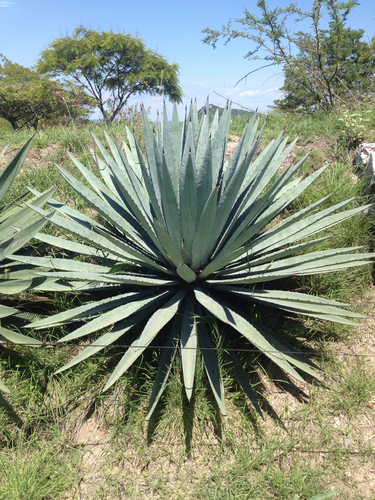
iNaturalist· cc-by
(c) Jacqui Geux, some rights reserved (CC BY)
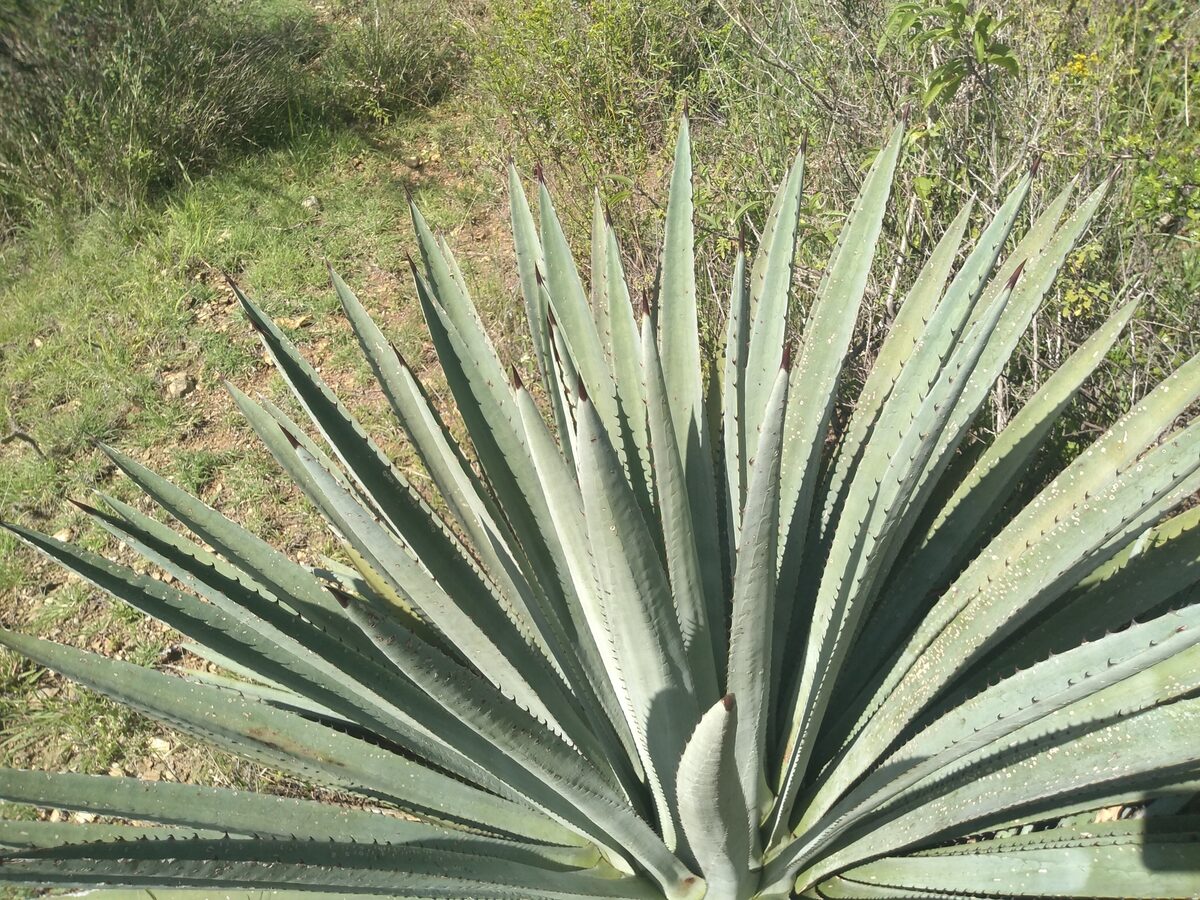
iNaturalist· cc-by
(c) Jacqui Geux, some rights reserved (CC BY)
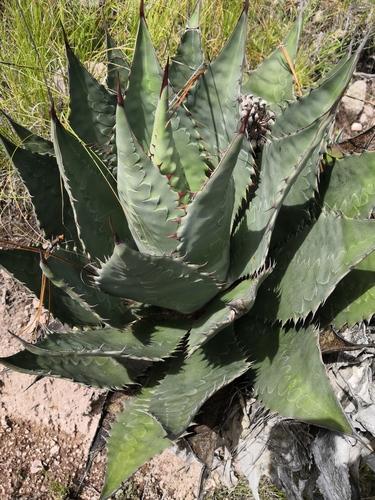
iNaturalist· cc-by
(c) Jacqui Geux, some rights reserved (CC BY)
Summary
Source: WikipediaEvergreen perennial reaching 1 m tall by 0.3 m wide, hardy to UK zone 8. In leaf year-round, flowering in May. Hermaphrodite species. Prefers light sandy to medium loamy, well-drained soils in mildly acid to basic conditions. Requires full sun and consistently moist soil.
Description
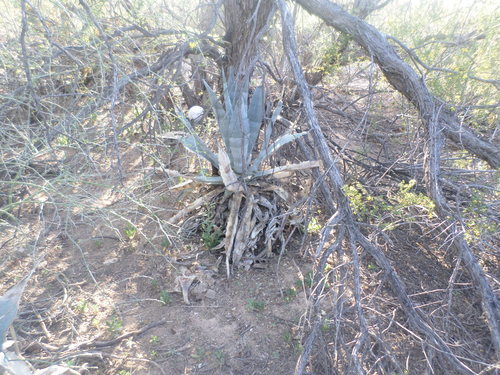
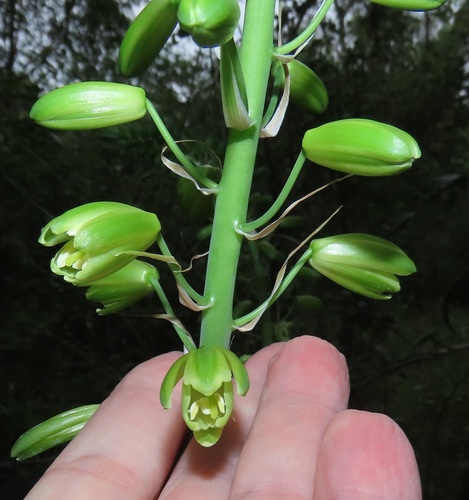
A clump forming, fleshy stemmed plant. It grows 50-75 cm high and spreads 60 cm wide. The leaves are long and narrow. They can be 60 cm long. They grow in grassy tufts. The flowers are in long panicles. The flowers are small and white. The stamens are yellow with two small curly tails. It has fleshy tubers.
Edible Uses
Edible Parts: Root Edible Uses: Rhizome - cooked.
Traditional Uses
The roots or tubers are steamed or baked and eaten.
This uses section is brief — help expand it
Medicinal Uses
None known
Distribution
It grows near the sea and on rocky cliff faces in New Zealand. It needs well-drained soil. It can grow in the open or in shade and in rich or poor soils. The fleshy leaves are damaged by frost. It suits hardiness zones 9-11.
Where It Grows
Australia, New Zealand*,
Cultivation
Plants can be grown by dividing established plants. They can also be grown from seed.
Propagation
Seed - sow late winter in a cold greenhouse. When large enough to handle, prick the seedlings out into individual pots and grow them on for at least their first winter in a greenhouse. Plant out in late spring or early summer, after the last expected frosts. Division in spring.
Other Uses
None known Special Uses
Notes
There are 12 Arthropodium species. Also put in the family Laxmanniaceae.
References (10)
- Bodkin, F., 1991, Encyclopedia Botanica. Cornstalk publishing, p 105
- Bot. Mag. 49: t. 2350. 1822
- Crowe, A., 1997, A Field Guide to the Native Edible Plants of New Zealand. Penguin. p 104
- Cundall, P., (ed.), 2004, Gardening Australia: flora: the gardener's bible. ABC Books. p 191 (As Arthropodium cirratum)
- Gott, B & Conran, J., 1991, Victorian Koorie Plants. PO Box 666 Hamilton, Victoria 3300, Australia. p 11
Show all 10 references Hide references
- Hibbert, M., 2002, The Aussie Plant Finder 2002, Florilegium. p 33
- Matthews, J., 1987, New Zealand Native Plants for your Garden. Pacific Publishers, p 20
- Plants for a Future database, The Field, Penpol, Lostwithiel, Cornwall, PL22 0NG, UK. http://www.scs.leeds.ac.uk/pfaf/
- Ryan, S., 2008, Dicksonia. Rare Plants Manual. Hyland House. p 96
- Skinner, G. & Brown, 1981, C., Simply Living. A gatherer's guide to New Zealand's fields, forests and shores. Reed. p 13