Tristemma incompletum
R. Br.
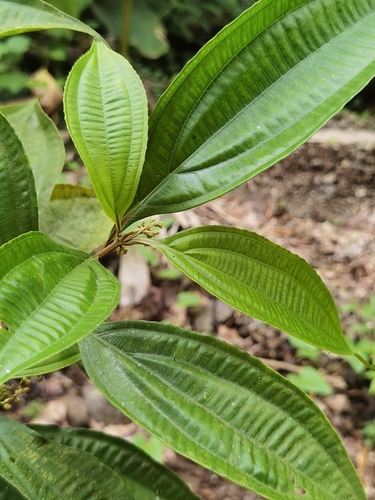
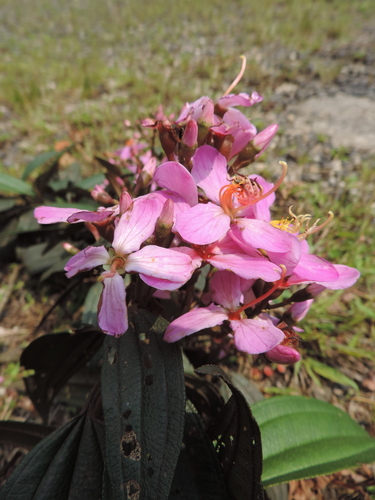
iNaturalist· cc-by-nc
(c) franhills, some rights reserved (CC BY-NC)
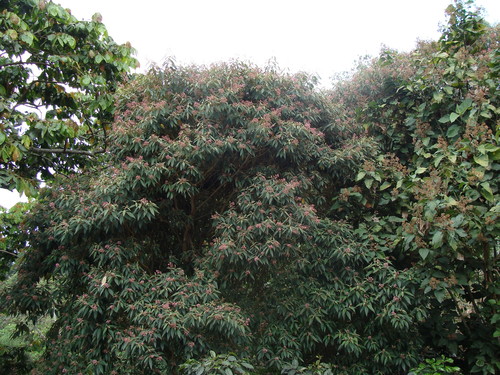
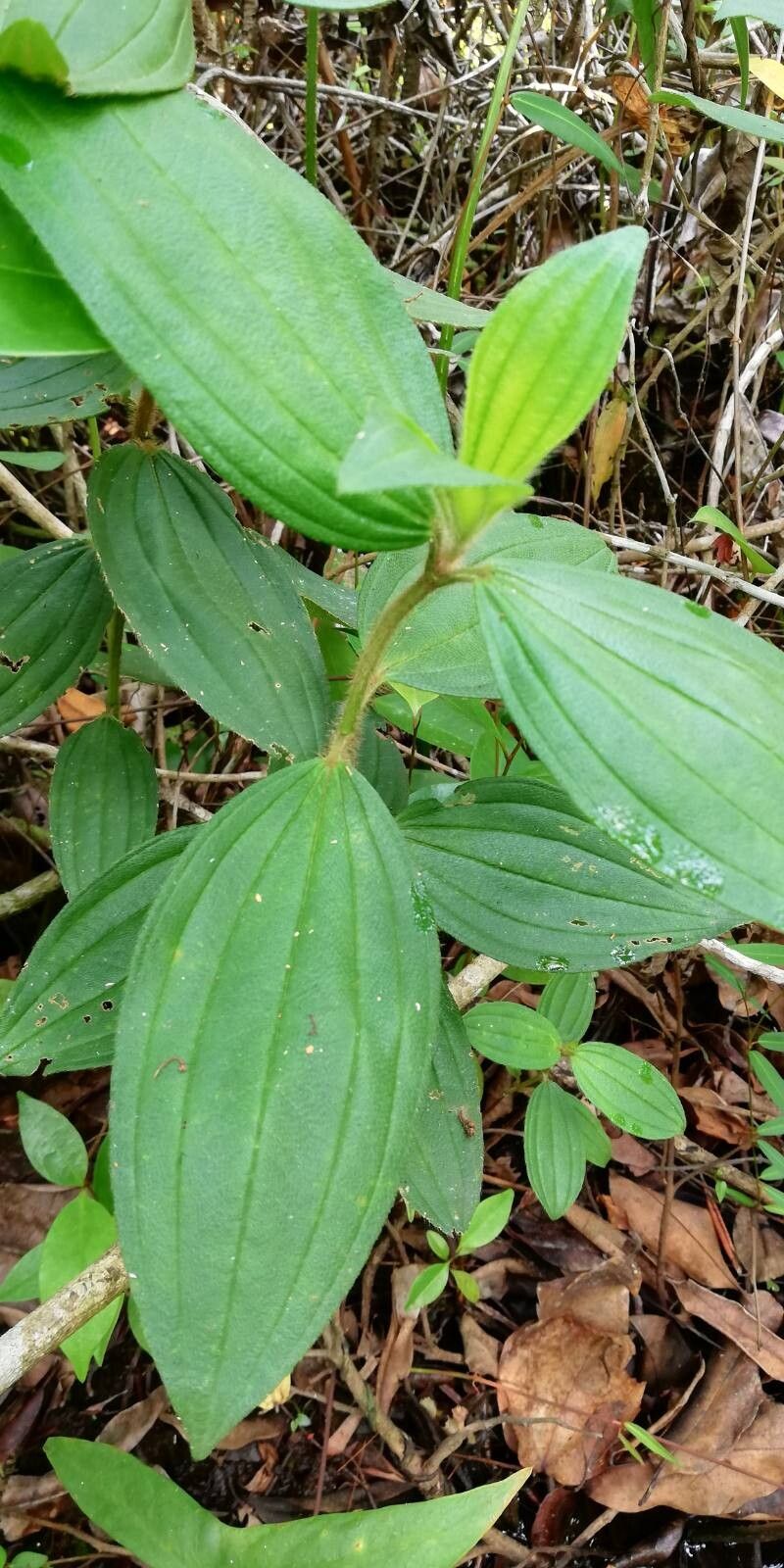
iNaturalist· cc-by-nc
(c) Evert Materman, some rights reserved (CC BY-NC)
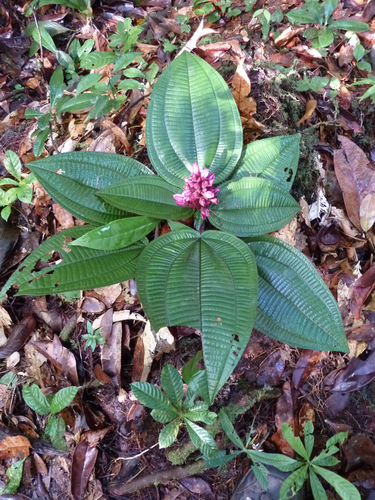
iNaturalist· cc-by-nc
(c) Evert Materman, some rights reserved (CC BY-NC)
Description
A herb. It grows 1 m tall. The stems are angular. The leaves are opposite and heart shaped. They are 10-14 cm long by 5-7 cm wide. The flowers are small and pink. The fruit are small and red and sweet. They are 1 cm across.
Edible Uses
The ripe fruit are eaten raw, especially by children.
Traditional Uses
The ripe fruit are eaten.
This uses section is brief — help expand it
Distribution
A tropical plant.
Where It Grows
Africa, Central Africa, Congo DR, East Africa, Ghana, Mozambique, Nigeria, Uganda, West Africa,
Other Information
The ripe fruit are eaten raw especially by children.
Also Known As
Anidan, Ebihoro, Tangani'a
References (6)
- Abbiw, D.K., 1990, Useful Plants of Ghana. West African uses of wild and cultivated plants. Intermediate Technology Publications and the Royal Botanic Gardens, Kew. p 48
- Goode, P., 1989, Edible Plants of Uganda. FAO p 54
- Jardin, C., 1970, List of Foods Used In Africa, FAO Nutrition Information Document Series No 2.p 165
- Terashima, H., et al, 1991, Ethnobotany of the Lega in the tropical rainforest of eastern Zaire: part 1, Zone de Mwenga. African Study Monographs. Suppl. 15:1-61
- Terashima, H., et al, 1992, Ethnobotany of the Lega in the Tropical Rainforest of Eastern Zaire (Congo): Part Two, Zone de Walikale, African Study Monographs, Suppl. 19:1-60
Show all 6 references Hide references
- Ubom, R. M., 2010, Ethnobotany and Diversity Conservatioon in the Niger Delta, Nigeria. International Journal of Botany. 6(3): 310-322