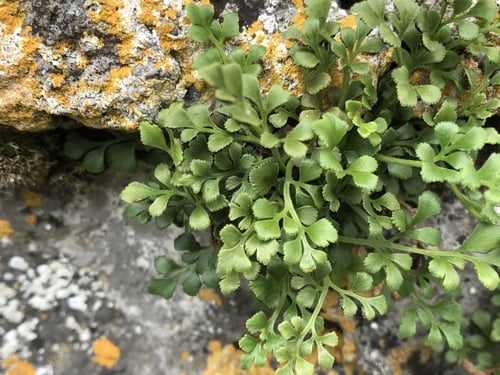
Thelypteris palustris
Schott
Marsh fern
iNaturalist· cc-by-nc
(c) Michael Kielb, some rights reserved (CC BY-NC), uploaded by Michael Kielb
iNaturalist· cc0
no rights reserved, uploaded by Greg Caspers
iNaturalist· cc0
no rights reserved, uploaded by Étienne Lacroix-Carignan
Summary
Source: WikipediaThelypteris palustris, the marsh fern, or eastern marsh fern, is a species of fern native to eastern North America and across Eurasia. It prefers to grow in swamps, bogs, wet fields or thickets, fresh tidal and nontidal marshes, or wooded streambanks. The species epithet palustris is Latin for "of the marsh" and indicates its common habitat. It is the only known host plant for Fagitana littera, the marsh fern moth.
Description
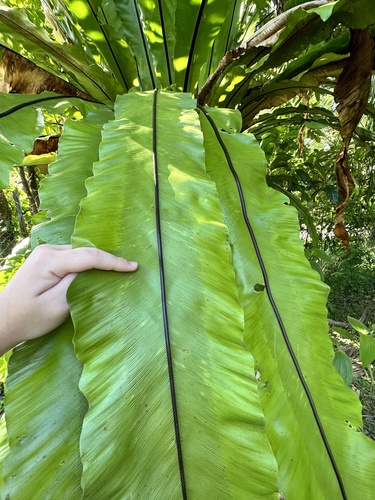
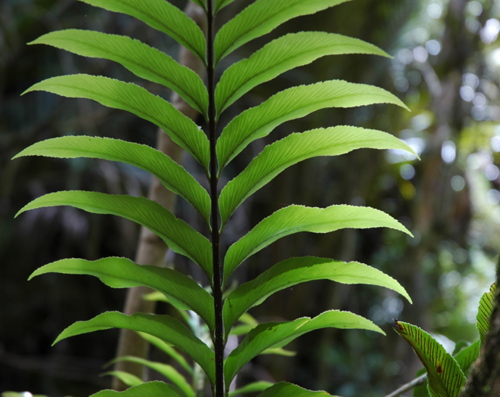
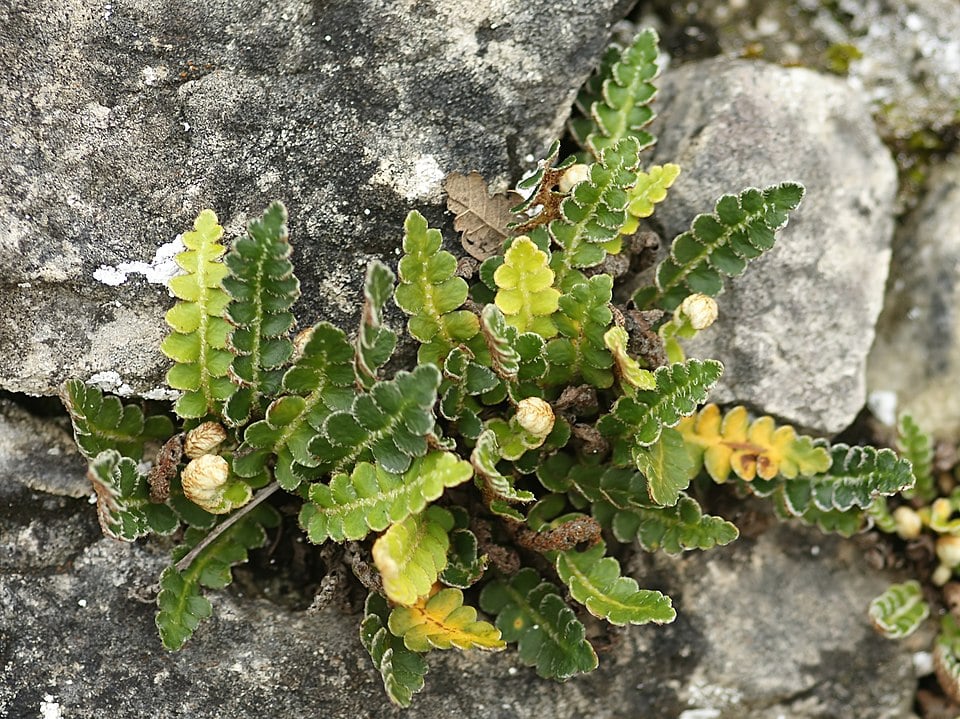
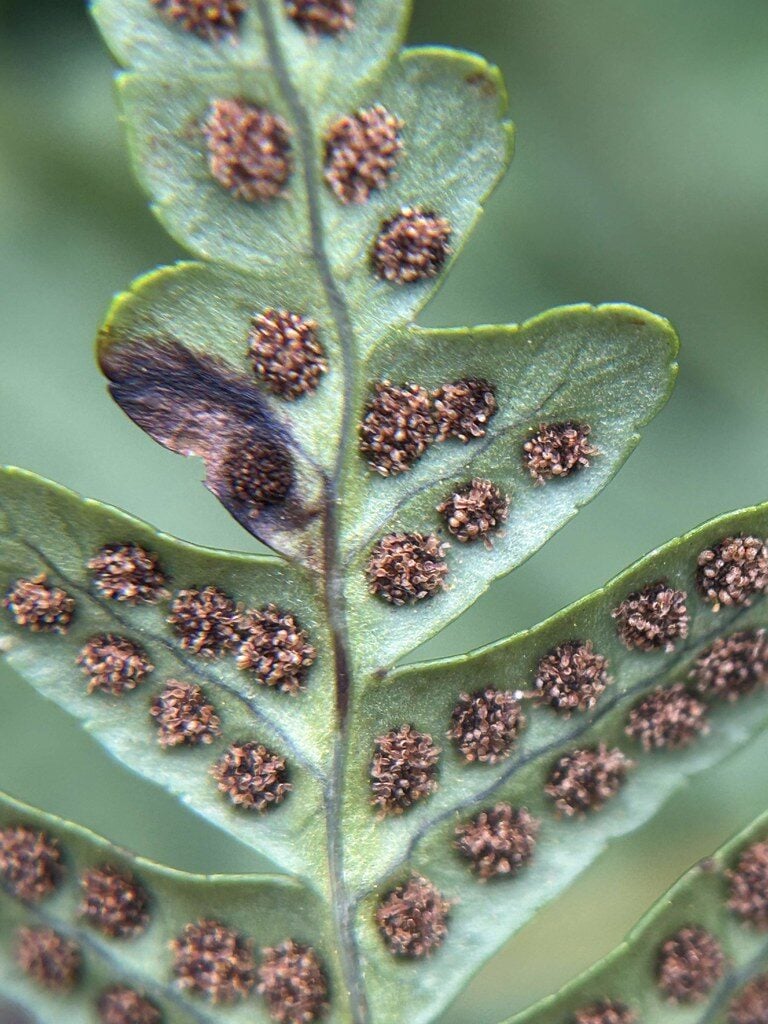
A fern. It grows 60-90 cm high and wide. The rhizomes are creeping. The fronds are soft and grey-green. The fronds have long stalks and are sword shaped. They are divided. The sterile fronds are 40 cm long and the fertile fronds are 100 cm long. The fertile fronds have rows of spore bodies near the mid vein.
Edible Uses
This is an edible young fern, though the specific part consumed is not recorded. It is most likely the young leaves eaten as they unfurl in spring and early summer.
Medicinal Uses
The roots have been used in the treatment of women's complaints.
Known Hazards
Although we have found no reports of toxicity for this species, a number of ferns contain carcinogens so some caution is advisable. Many ferns also contain thiaminase, an enzyme that robs the body of its vitamin B complex. In small quantities this enzyme will do no harm to people eating an adequate diet that is rich in vitamin B, though large quantities can cause severe health problems. The enzyme is destroyed by heat or thorough drying, so cooking the plant will remove the thiaminase.
Distribution
It is a temperate plant. It grows along the edge of water. It suits hardiness zones 6-11.
Where It Grows
Asia, Australia, Bermuda, Britain, Central America, Central Asia, China, Cuba, Europe, Korea, Luxembourg, North America, Peru, South America, Tajikistan, USA, West Indies,
Cultivation
Thrives in sun or shade in almost any soil with a pH between 5 and 7. Grows well by water and in wet woods. A very hardy plant, tolerating temperatures down to about -30°c. Members of this genus are rarely if ever troubled by browsing deer. Plants have a wandering root system and can be invasive.
Propagation
Sow spores as soon as they are ripe, though spring sowing also works. Scatter on the surface of humus-rich sterilized soil and keep the compost consistently moist, ideally by placing a plastic bag over the pot. Pot on small clumps of plantlets once large enough to handle, keeping them humid until well established. Do not plant outside until ferns are at least two years old, and then only in a well-sheltered position. Division is best carried out in spring.
Other Uses
None known.
Notes
There are about 800 Thelypteris species. They grow in the tropics and subtropics. Also put in the family Thelypteridaceae.
Synonyms
References (5)
- Cundall, P., (ed.), 2004, Gardening Australia: flora: the gardener's bible. ABC Books. p 1410
- Gen. fil. t. 10. 1834
- Joyce, D., 1998, The Garden Plant Selector. Ryland, Peters and Small. p 336
- Plants for a Future database, The Field, Penpol, Lostwithiel, Cornwall, PL22 0NG, UK. http://www.scs.leeds.ac.uk/pfaf/
- www.eFloras.org Flora of China