Artemisia biennis
Willd.
Biennial wormwood, Biennial sagewort
iNaturalist· cc-by-sa
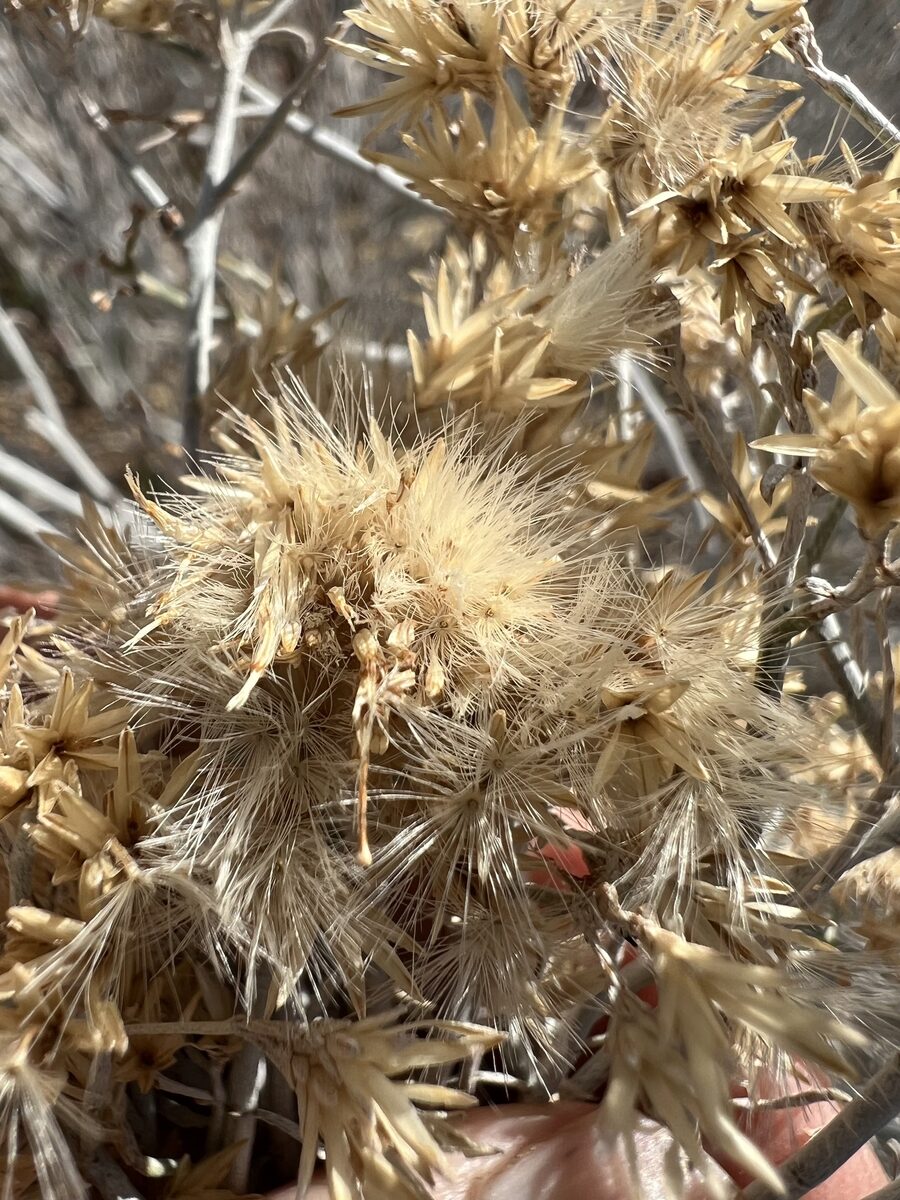
(c) Matt Lavin, some rights reserved (CC BY-SA)
iNaturalist· cc-by-sa
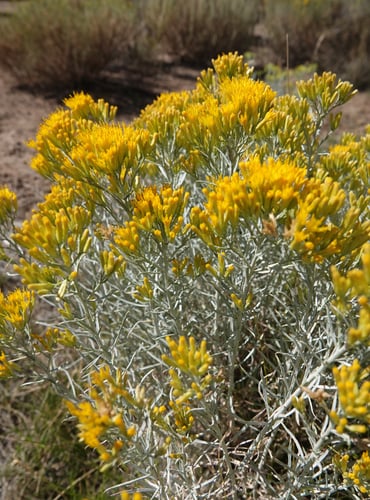
(c) Matt Lavin, some rights reserved (CC BY-SA)
iNaturalist· cc-by-nc
(c) jonnakc, some rights reserved (CC BY-NC)
Summary
Source: WikipediaArtemisia biennis is a species of sagebrush known by the common name biennial wormwood. It is a common and widely distributed weed, so well established in many places that its region of origin is difficult to ascertain. This species is most likely native to northwestern North America (British Columbia, Washington, and Oregon) and naturalized in Western Europe, and eastern and southern North America.
Description
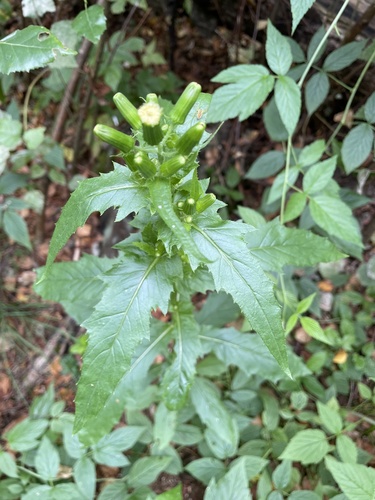
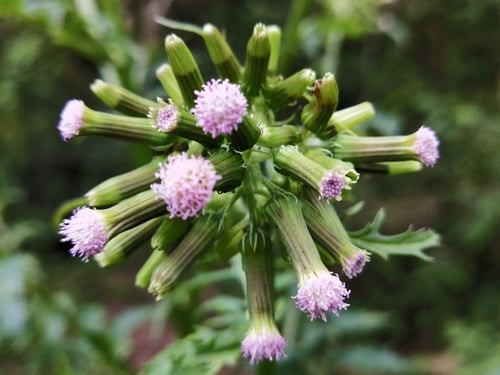
A small herb. It grows 30-120 cm high. The leaves are alternate and green. They are smooth on both sides. They are divided into several narrow segments with teeth along the edge. They are 2.5-7.5 cm long. The flowers are in small flower heads. Several occur in dense spikes. The fruit is a small smooth achene.
Edible Uses
Edible Parts: Seed Edible Uses: Seeds edible in moderation. Historically gathered extensively by the Goshiute (“piawada”) and eaten as porridge or flour. Nutritionally oily and sustaining. Other parts are inedible due to bitterness and toxic sesquiterpene lactones. Seed. No further details are given, but the seed is very small and fiddly to utilize.
Medicinal Uses
Parasiticide Poultice Skin The plant as been used in the treatment of stomach cramps, colic and painful menstruation. Externally, it has been used for treating sores and wounds. The report does not specify which part of the plant is used. The seeds, mixed with molasses, have been used as a parasiticide in getting rid of worms.
Known Hazards
Although no reports of toxicity have been seen for this species, skin contact with some members of this genus can cause dermatitis or other allergic reactions in some people.
Distribution
It is a temperate plant. It grows along the damp edges of streams.
Where It Grows
Afghanistan, Canada, Central Asia, China, Europe, Himalayas, India, North America, Pakistan, Tajikistan, Turkey, Türkiye, USA,
Cultivation
Biennial or short-lived perennial; erect aromatic herb with finely divided leaves. Produces abundant small seeds. Important historically as a late-season survival food. Tolerates poor, sandy, or gravelly soils. Thrives in full sun, disturbed ground, and tolerates drought once established. Grows best with summer moisture.. We have very little information on this species and do not know if it will be hardy in Britain, though judging by its native range, it should succeed outdoors in many parts of this country. The following notes are based on the general needs of the genus. Easily grown in a well-drained circumneutral or slightly alkaline loamy soil, preferring a sunny position. Established plants are drought-tolerant. Plants are longer lived, harder, and more aromatic when they are grown in poor, dry soil. Members of this genus are rarely, if ever, troubled by browsing deer. Size: 0.5–1.5 m tall, erect and slender. Likely USDA zones 3–8, hardy to cold winters where seeds overwinter. Native to the northwestern U.S., now weedy across disturbed soils, fields, roadsides, and waste places. Blooms and seeds in late summer to autumn.
Propagation
Seed - surface sow spring in a greenhouse. Do not allow the compost to dry out. When large enough to handle, prick the seedlings out into individual pots and plant them out in early summer. The seed can also be sown in situ during late spring. Self-seeds freely. Germinates readily in disturbed ground.
Other Uses
Parasiticide Possible Parasiticide. Used in medicine and veterinary medicine to kill parasites. Occasionally used medicinally (as vermifuge and for digestive complaints). Has aromatic oils, but not significant in food preservation like other Artemisia. Special Uses
Notes
There are about 300 Artemisia species.
Synonyms
Also Known As
Biennial wormwood, biennial sagewort; false tansy; slender mugwort, French: armoise bisannuelle; herbe St-Jean. Germany: Zweijähriger Beifuß. Netherlands: rechte alsem; tweejarige alsem.
References (6)
- Beckstrom-Sternberg, Stephen M., and James A. Duke. "The Foodplant Database." http://probe.nalusda.gov:8300/cgi-bin/browse/foodplantdb.(ACEDB version 4.0 - data version July 1994)
- Cormack, R. G. H., 1967, Wild Flowers of Alberta. Commercial Printers Edmonton, Canada. p 350
- Flora of Pakistan.
- Ling Yuou-ruen & C. J. Humphries, ASTERACEAE (Draft), Tribe ANTHEMIDEAE Cassini, in Flora of China
- Phytographia 11, no. 39. 1794
Show all 6 references Hide references
- Plants for a Future database, The Field, Penpol, Lostwithiel, Cornwall, PL22 0NG, UK. http://www.scs.leeds.ac.uk/pfaf/