Maihueniopsis ovata
(Pfeiff.) F. Ritter
Espina, Gatito, Perrito
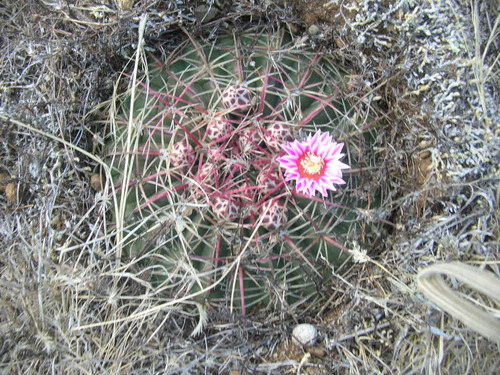
iNaturalist· cc-by-nc
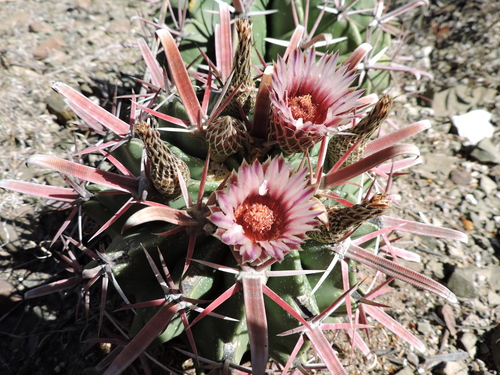
(c) Martin Lowry, some rights reserved (CC BY-NC), uploaded by Martin Lowry
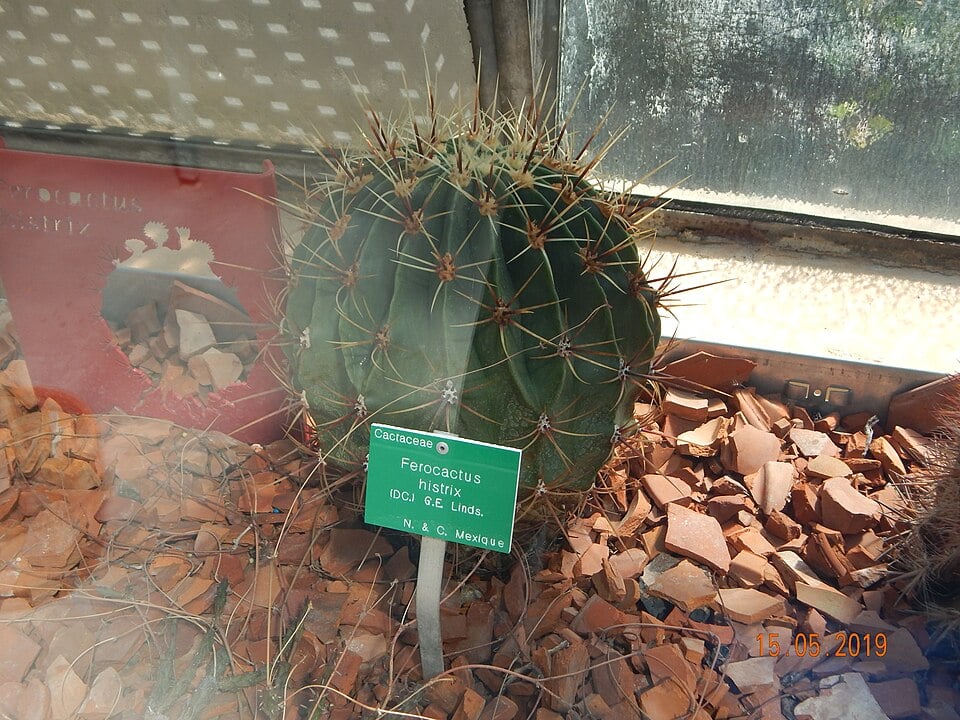
iNaturalist· cc-by-sa
(c) Nicolás Villaseca Merino, some rights reserved (CC BY-SA)
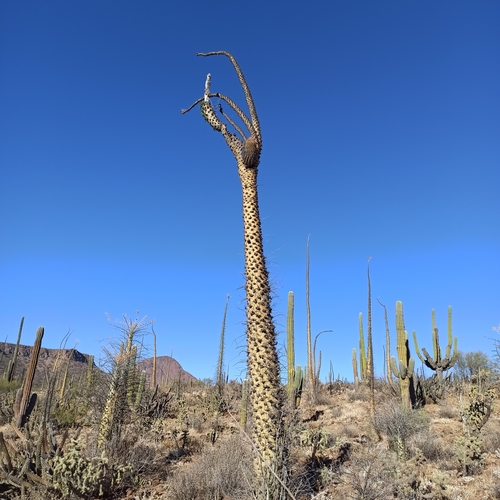
iNaturalist· cc-by-nc
(c) overlander (Gerald Krygsman), some rights reserved (CC BY-NC), uploaded by overlander (Gerald Krygsman)
Description
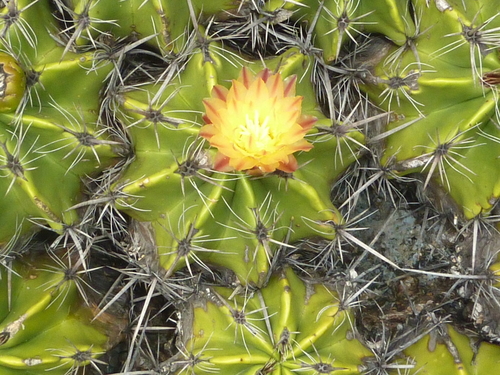
A cactus. The cushions are compact. They are 10 cm high and 50 cm wide. The taproot is large. The stems are dark green. The segments are oval and taper towards the top. They are green and 3 cm long. The flowers are bright yellow with brownish bracts. They are 4.5 cm long and 5.5 cm wide. The fruit are round or oval. They are yellow, juicy and edible. They are 2-5 cm long.
Edible Uses
The fruits are edible.
Distribution
It is a warm temperate to subtropical plant. In Argentina it grows between 1,000-2,000 m above sea level. It suits hardiness zones 8-10.
Where It Grows
Argentina, Australia, Chile, South America,
Production
They rarely flower in cultivation.
Notes
There are about 18 Maihueniopsis species. They occur in northern South America.
Synonyms
References (4)
- Aldunate, C. et al, 1983, Ethnobotany of pre-Altiplanic Community in the Andes of Northern Chile. Economic Botany 37( ) p 120-134 (As Tephrocactus sp.)
- Anderson, E.F., 2001, The Cactus Family, Timber Press. p 402
- Anderson, M., 2002, The World Encyclopedia of Cacti and Succulents. Hermes House, New York. p 111 (Genus) (As Tephrocactus sp.)
- Cundall, P., (ed.), 2004, Gardening Australia: flora: the gardener's bible. ABC Books. p 857