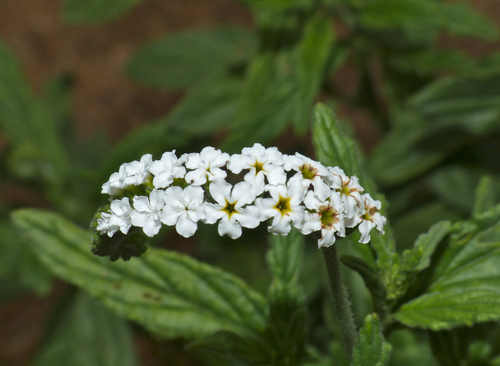
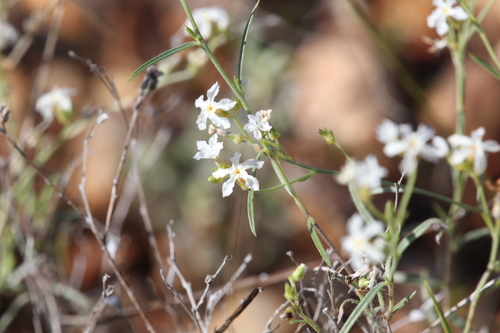
Arnebia euchroma
(Royle) I. M. Johnst.
Pink arnebia
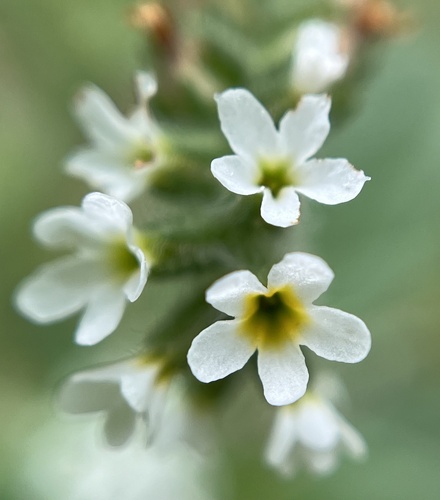
iNaturalist· cc-by-nc
(c) Jennifer Chandler, some rights reserved (CC BY-NC), uploaded by Jennifer Chandler
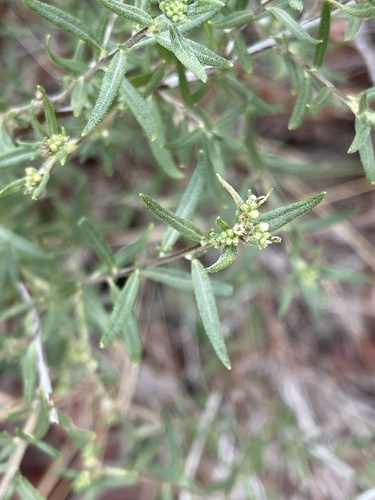
iNaturalist· cc-by-nc
(c) Jennifer Chandler, some rights reserved (CC BY-NC), uploaded by Jennifer Chandler
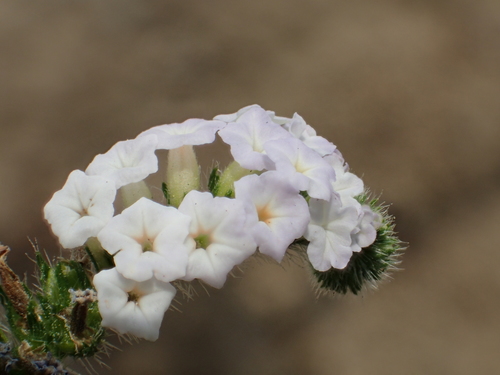
iNaturalist· cc-by-nc
(c) amolmm, some rights reserved (CC BY-NC)
Summary
A perennial herb reaching 0.3 m (1 ft) tall. Flowers appear from June to August, with seeds ripening July to September. The plant is hermaphroditic and insect-pollinated. It thrives in light sandy soils that are well-drained and nutritionally poor, tolerating mildly acidic to basic pH levels. Requires full sun and adapts to both dry and moist conditions.
Description
A herb. It keeps growing from year to year. The roots are stout and 2 cm across. They contain purple die. There are 1 or 2 stems. They are 15-40 cm tall. The leaves are narrow and 7-20 cm long by 1-2 cm wide. The bases have sheaths. There are many flowers in a group at the top of the plant.
Edible Uses
None known
Traditional Uses
The roots are used as a spice to cook meat. They are also used in preparing pickles and as a food colouring.
This uses section is brief — help expand it
Medicinal Uses
Antibacterial Antipyretic Cancer Contraceptive Eczema Emollient Vulnerary The root is antipyretic, cancer, contraceptive, emollient and vulnerary. It is used in the treatment of measles, mild constipation, burns, frostbite, eczema, dermatitis etc. Experimentally it has shown contraceptive action on rats, inhibiting oestrus, the fertility rate and the release of pituitary gonadotrophin hormone and chorion gonadotrophin hormone. It inhibits the growth of cancer cells on the chorion membrane. The root contains shikonin, an antitumour and bactericidal compound. It inhibits the growth of E. coli, Bacillus typhi, B. dysenteriae, Pseudomonas and Staphylococcus aureus. Shikonin also promotes the healing of wounds on topical application.
Distribution
It is a temperate plant. It grows on rocky slopes and gravelly marshes in Tibet.
Where It Grows
Asia, Afghanistan, Central Asia, China, Himalayas, India, Kazakhstan, Kyrgyzstan, Nepal, Pakistan, Tajikistan, Tibet, Turkmenistan, Uzbekistan,
Propagation
Seed - sow spring in a greenhouse. Germination usually takes place within 2 - 8 weeks at 20°c. When large enough to handle, prick the seedlings out into individual pots and grow them on in the greenhouse for their first winter. Plant out in late spring or early summer, after the last expected frosts. It is best to harvest the seed when it is slightly under-ripe, since it is quickly dispersed when ripe. Cuttings with a heel in the autumn in sand in a cold frame. Root cuttings in sand in a frame during the winter.
Other Uses
Dye The root contains a copious purple dye. Special Uses
Other Information
The roots are especially eaten by children. They are also fried in oil.
Notes
There are about 20 Arnebia species.
Synonyms
Also Known As
Bri mog, Demok, Troma
References (5)
- Boesi, A., 2014, Traditional knowledge of wild food plants in a few Tibetan communities. Journal of Ethnobiology and Ethnomedicine 10:75
- Dorjey, K., 2015, Exploration of Plant based Traditional Knowledge from Sham region of Ladakh (J. & K.), India. Journal of Plant Development Sciences Vol. 7 (5) : 429-433.
- Murugan, Pal M., et al, 2010, Phytofoods of Nubra valley, Ladakh - The cold desert. Indian Journal of Traditional Knowledge. Vol. 9(2): 303-308
- Plants for a Future database, The Field, Penpol, Lostwithiel, Cornwall, PL22 0NG, UK. http://www.scs.leeds.ac.uk/pfaf/ (As Arnebia perennis)
- Sharma, L. et al, 2018, Diversity, distribution pattern, endemism and indigenous uses of wild edible plants in Cold Desert Biosphere Reserve of Indian Trans Himalaya. Indian Journal of Traditional Knowledge. Vol 17(1) January 2018 pp 122-131