Syzygium papyraceum
B. Hyland
Paperbark satinash
iNaturalist· cc-by-nc
(c) hbexplore, some rights reserved (CC BY-NC), uploaded by hbexplore
iNaturalist· cc-by
(c) coenobita, some rights reserved (CC BY)
Summary
Source: WikipediaSyzygium papyraceum, known as the paperbark satinash, is a rainforest tree of northeastern Queensland, Australia. It can grow to 35 m (115 ft) tall and 90 cm (35 in) in diameter, with papery red-brown bark. Leaves are simple (i.e. undivided), arranged in opposite pairs, and measure up to 10 cm (3.9 in) long and 5 cm (2.0 in) wide. Attractive pink or mauve flowers are followed by purple fruit. It was first described in 1983 by the Australian botanist Bernard Hyland.
Description
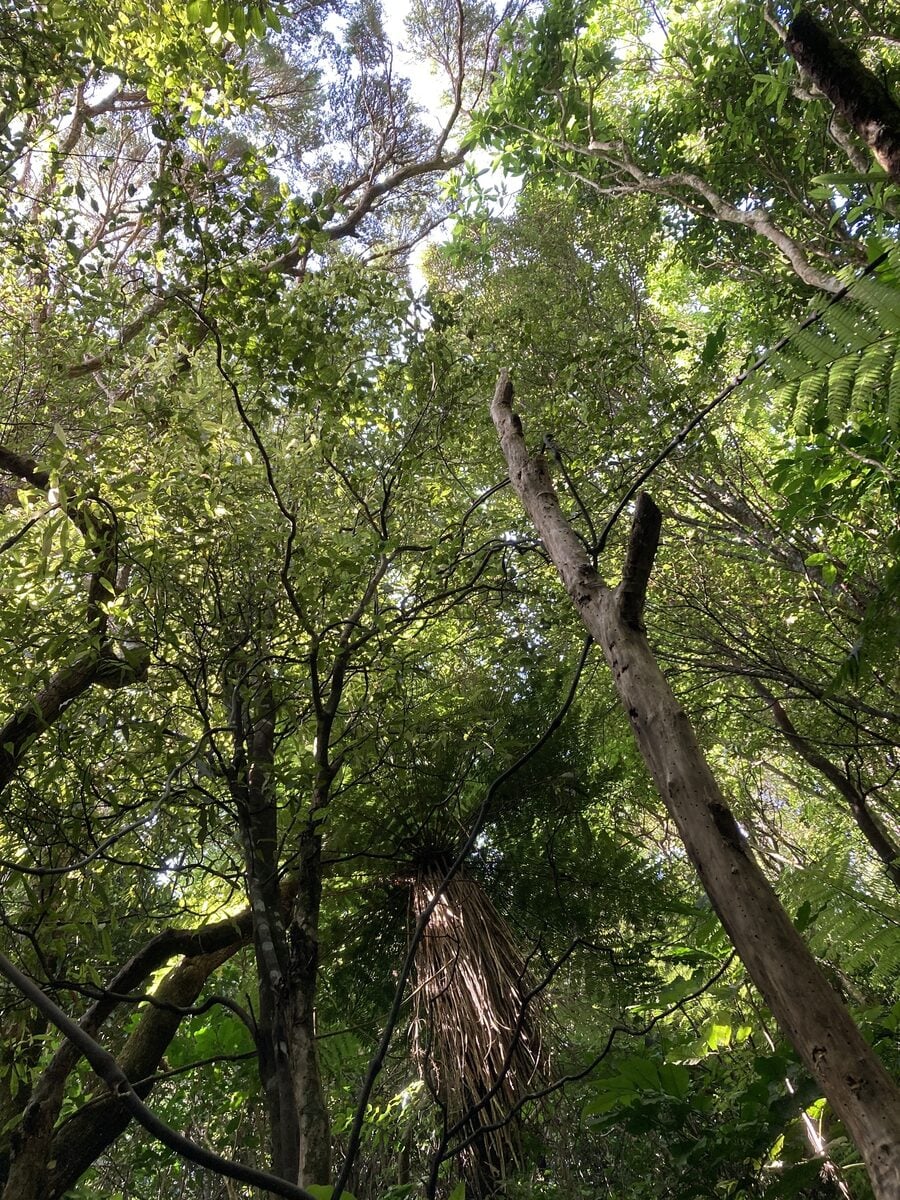
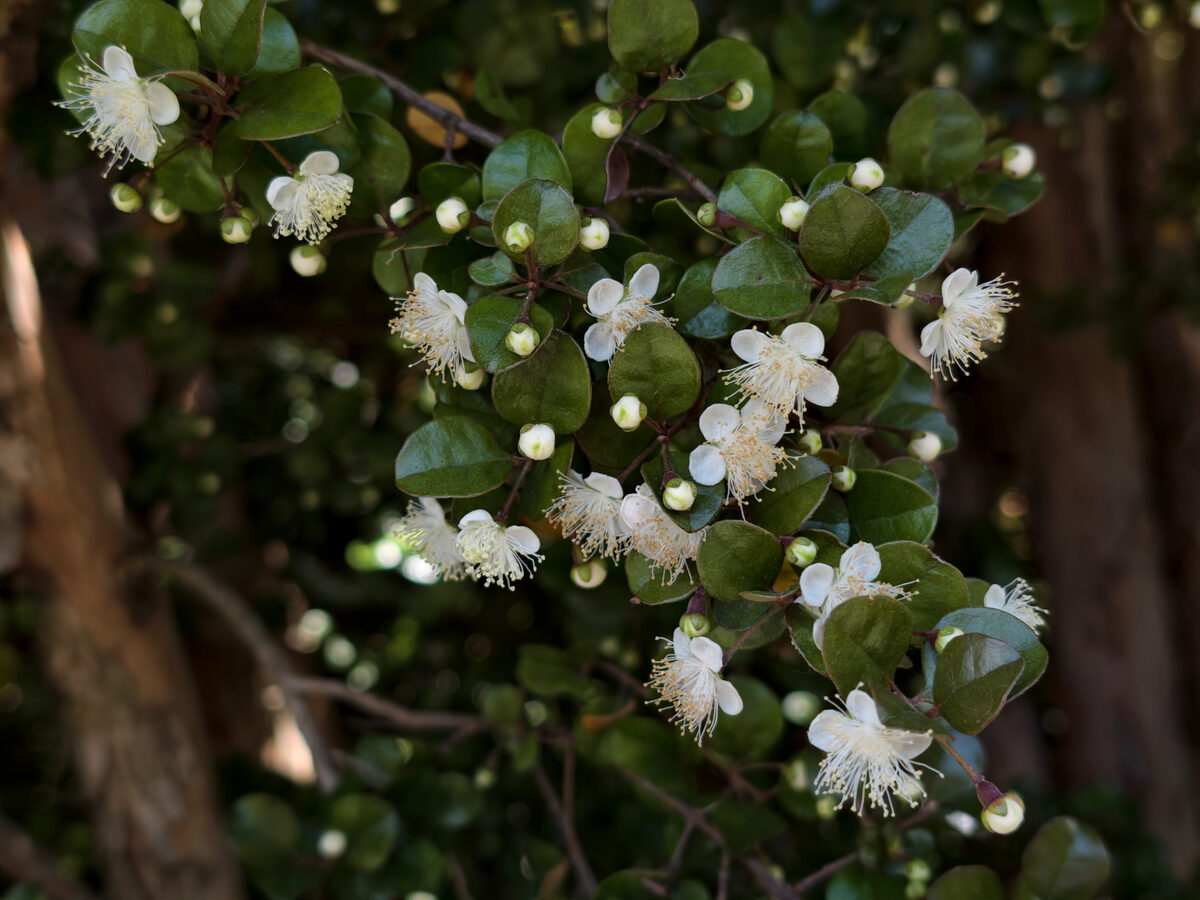
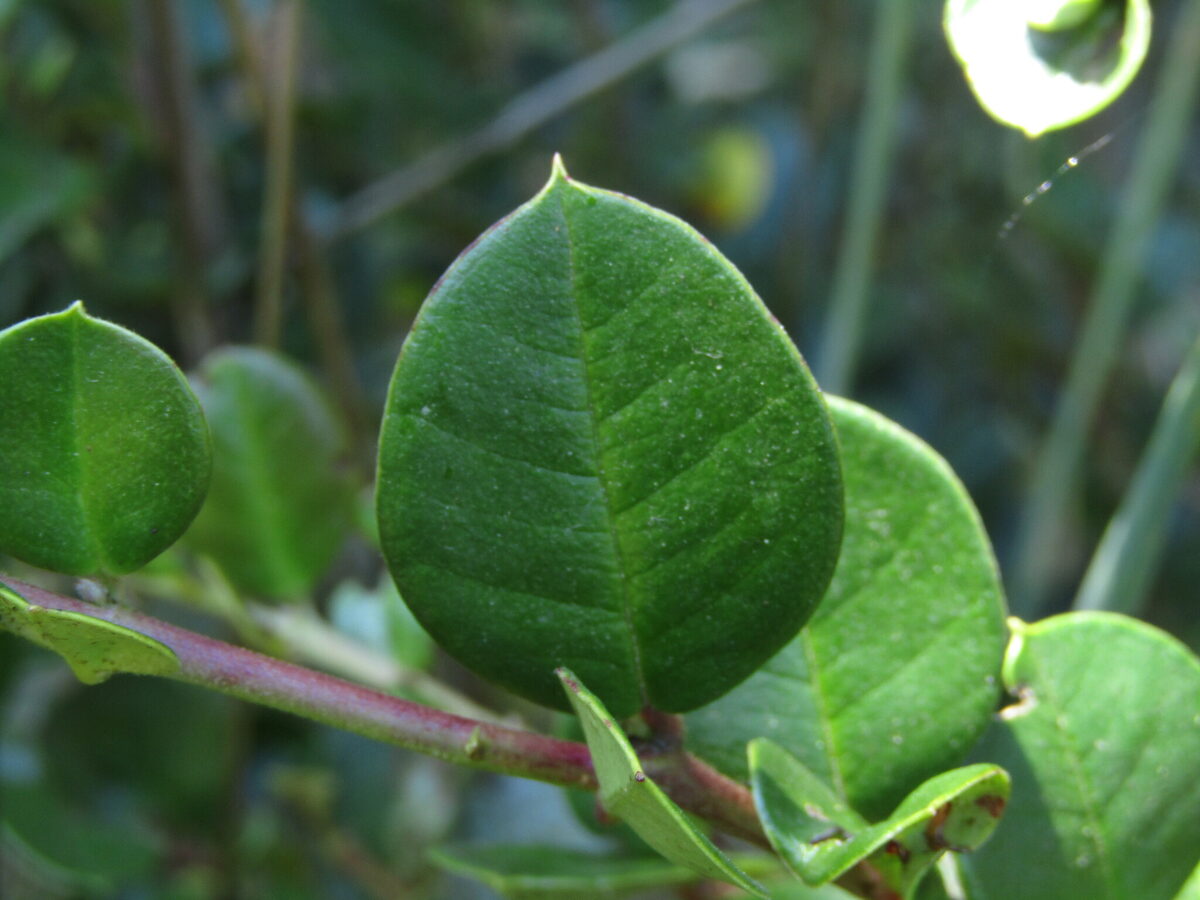
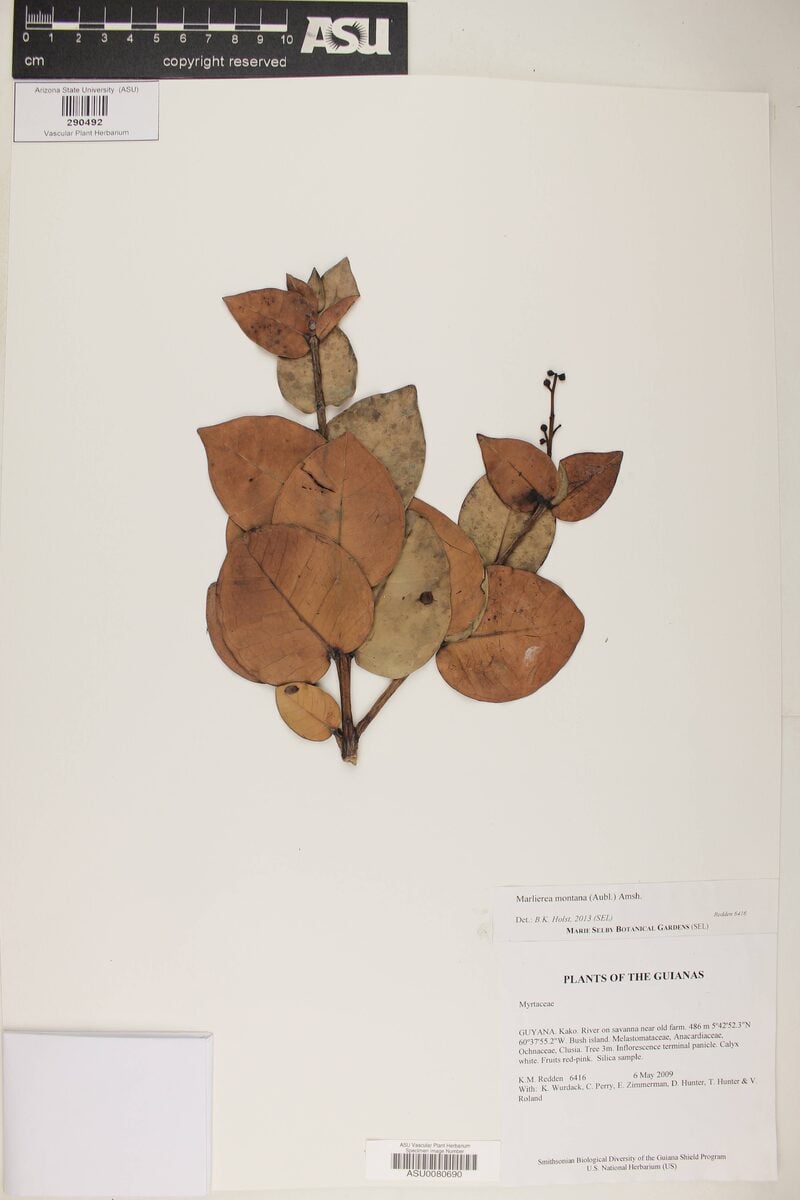
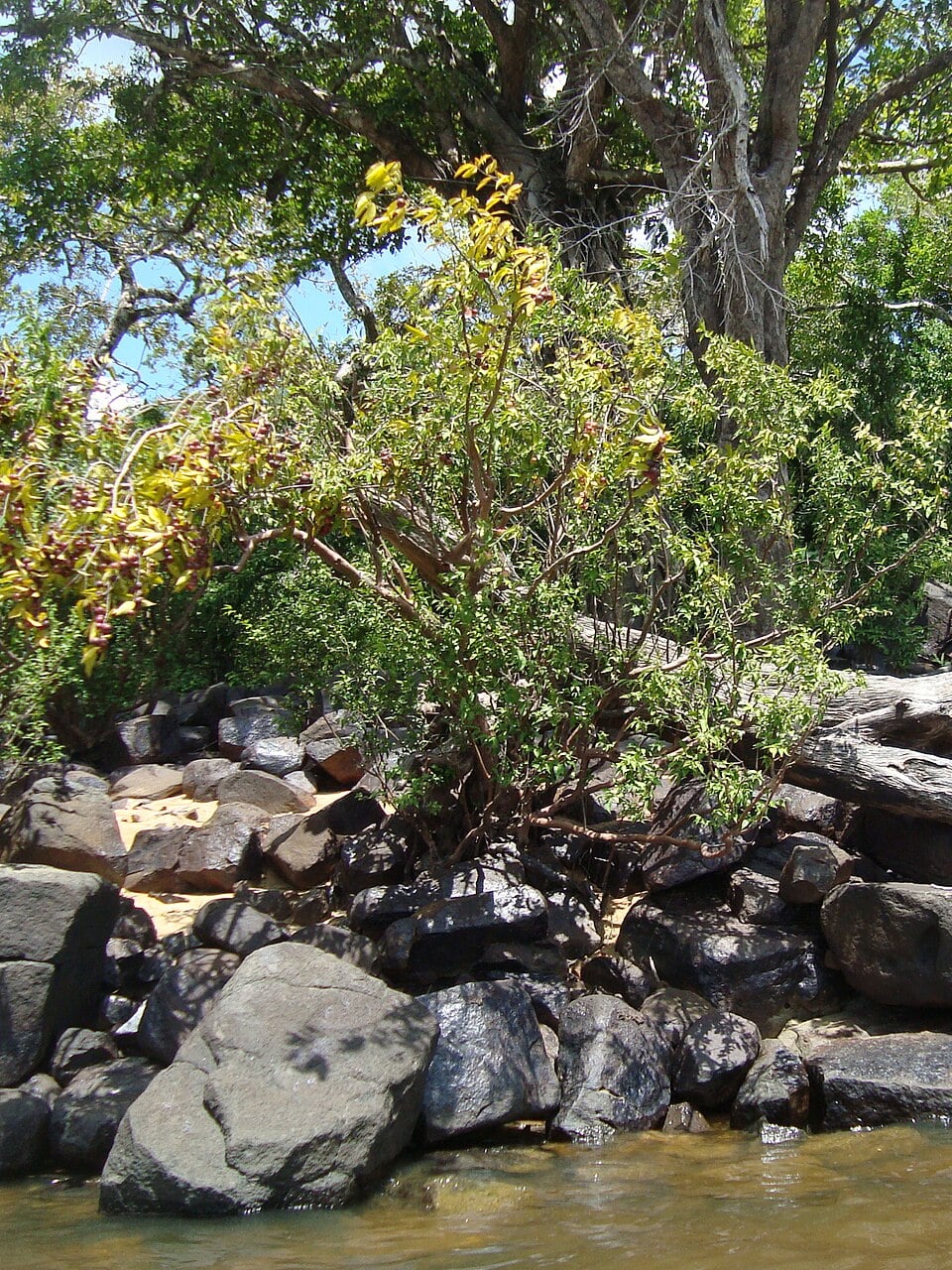
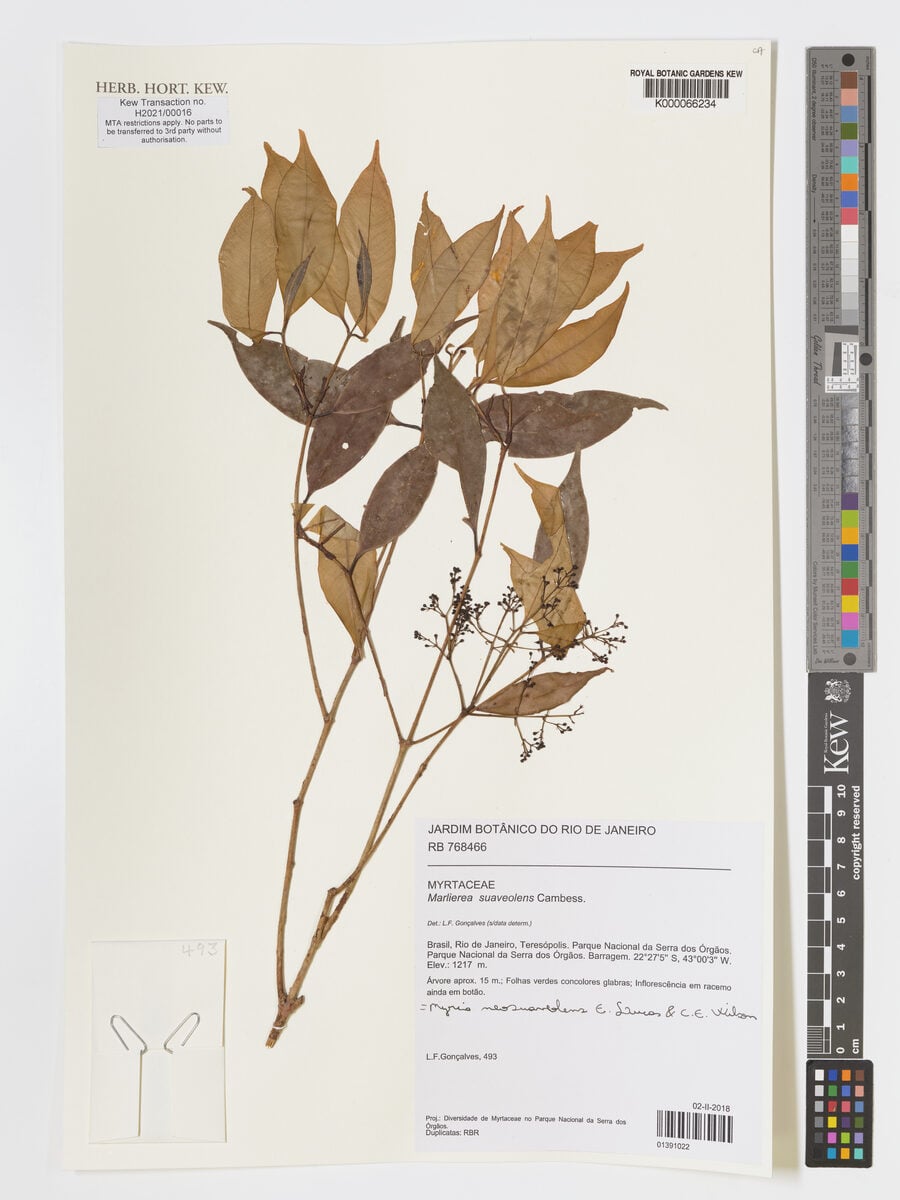
A tree. It grows up to 15-35 m tall. It has a dense crown. The bark is red and papery. The young shoots are shiny brown. The leaves are simple and fairly thick. They are 6-11 cm long and 4 cm wide. They are smooth and not hairy. They are dark green on the upper surface and duller beneath. Oil dots can be visible. The flowers occur in clusters and are mauve. The fruit are round and 3.3 cm long by 3.1 cm wide. They occur either singly or in bunches. They can be in the axils of leaves or at the ends of branches. The fruit are bright purple. The flesh is edible.
Edible Uses
We have no specific information on edibility for the fruit of this species, but the fruits of many members of this genus are edible. The bluey-purple, globular, obovoid or turbinate fruit is about 25 - 30mm long and 25mm wide, containing a single seed about 15mm in diameter.
Traditional Uses
The fruit are eaten.
This uses section is brief — help expand it
Distribution
A tropical plant. It grows in highland rainforest in north east Queensland in Australia. It grows between 560-1200 m altitude. They prefer loamy soil. They need plenty of moisture.
Where It Grows
Australia*,
Cultivation
They can be grown from fresh seed.
Propagation
Seed - peeled and sown fresh, it can germinate in 4 - 5 weeks.
Other Uses
The red papery bark is sought after for bark painting[694,713]. A useful general purpose structural timber. We do not have any more specific information for the wood of this species, but the various species of Syzygium tend to have somewhat similar timber. The general description of syzygium timber is as follows:- The heartwood is a golden brown, greyish brown or brown, with pink or purplish glints; it is not clearly demarcated from the 1 - 4cm wide band of sapwood. The texture is fine; the grain slightly interlocked, sometimes wavy or irregular; there are resin deposits. The wood is heavy; moderately hard; somewhat durable, being moderately resistant to fungi and termites, but susceptible to dry wood borers. It seasons slowly, with a high risk of checking and distortion; once dry it is moderately stable in service. It works well with ordinary tools, nailing and screwing are good so long as the wood is pre-bored; gluing is correct. The wood is used for musical instruments, tool handles, furniture components, ship building, heavy carpentry, flooring, joinery etc.
Production
Plants are slow growing but may flower when young. Fruit are ripe December to February in Australia.
References (11)
- Barwick, M., 2004, Tropical and Subtropical Trees. A Worldwide Encyclopedic Guide. Thames and Hudson p 393
- Beasley, J., 2011, Plants of Tropical North Queensland - the compact guide. Footloose publications. p 106
- Cooper W & Cooper W T, 1994, Fruits of the Rain Forest. RD Press p 276
- Cooper, W. and Cooper, W., 2004, Fruits of the Australian Tropical Rainforest. Nokomis Editions, Victoria, Australia. p 366
- Hibbert, M., 2002, The Aussie Plant Finder 2002, Florilegium. p 296
Show all 11 references Hide references
- Jackes, B.R., 2001, Plants of the Tropics. Rainforest to Heath. An Identification Guide. James Cook University. p 69
- Jones D, L, 1986, Ornamental Rainforest Plants in Australia, Reed Books, p 81
- Nicholson, N & H., 1996, Australian Rainforest Plants 2, Terania Rainforest Publishing. NSW. p 59
- Queensland Forest Service, 1991, Trees and Shrubs. Department of Primary Industries. p 117
- Radke, P & A, Sankowsky, G & N., 1993, Growing Australian Tropical Plants. Frith & Frith, Australia. p 63
- Townsend, K., 1994, Across the Top. Gardening with Australian Plants in the tropics. Society for Growing Australian Plants, Townsville Branch Inc. p 349